The Neuroscience: Why Smell Bypasses Conscious Processing
Every other sense — sight, sound, touch, taste — is processed through the thalamus before reaching the cortex. Smell is not. Olfactory signals travel directly from the nose to the limbic system, arriving in the brain's emotional and memory centers before the rational mind has any chance to contextualize them.
This is why a scent can produce a memory so vivid it feels physical — before you have consciously registered what you are smelling. The emotion arrives first. The recognition comes second. The memory follows.
This neural shortcut is the biological basis of what Proust described in his famous madeleine passage. But it is not unique to him. Every human being has olfactory memories of extraordinary power. And every person who wears your fragrance consistently is building one of you.
Consistency Creates Memory
The key variable is consistency. A fragrance worn once at a dinner party creates a weaker association than a fragrance worn consistently, across many encounters, over years.
This is why the advice "find your signature and wear it" is not aesthetic preference — it is strategic communication. Each encounter where you wear the same fragrance reinforces the neural association in others' minds between the scent and the experience of you.
Over time, even without seeing or hearing you, people will remember you when they encounter your fragrance on someone else. This is not fanciful. It is the ordinary working of olfactory memory in the human brain.
What This Means for Your Fragrance Choice
The implications are practical. Changing fragrance frequently prevents the formation of strong olfactory associations. Wearing many different scents means no single one encodes you.
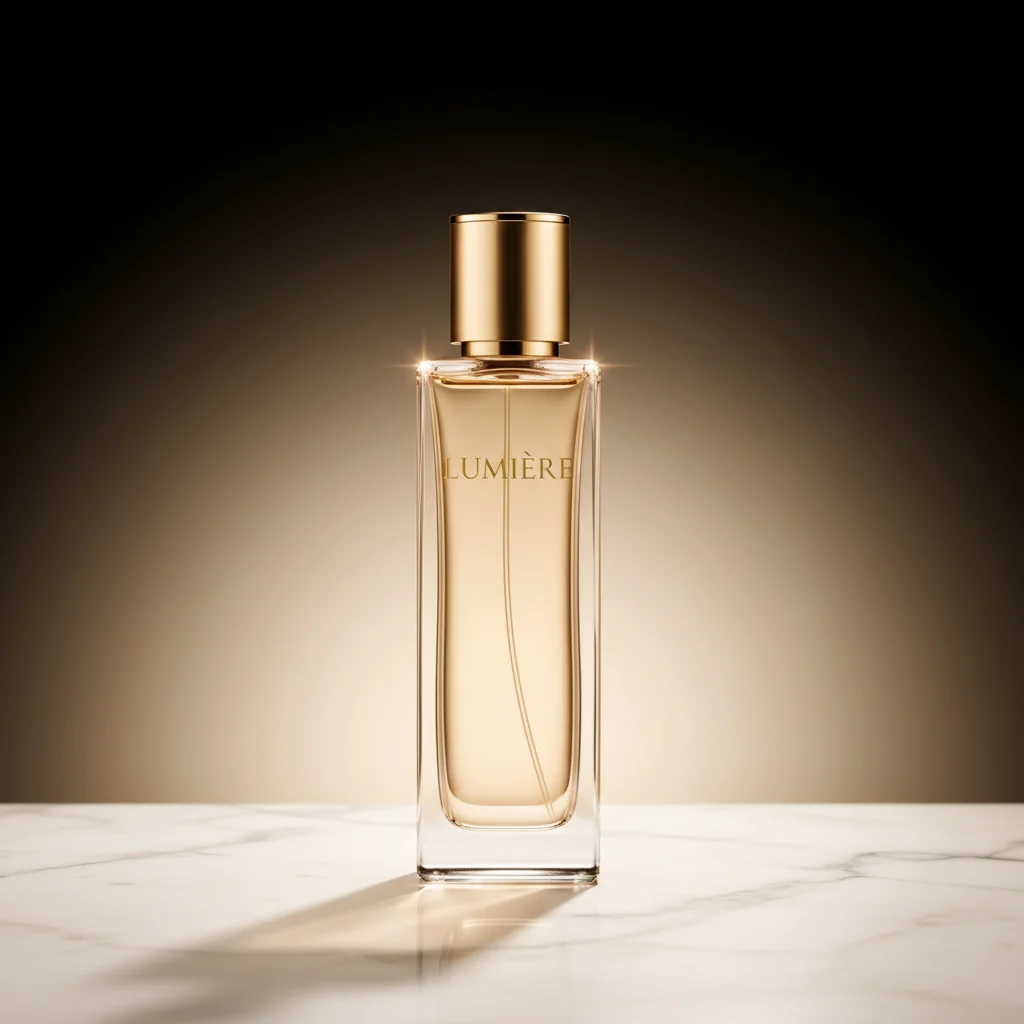
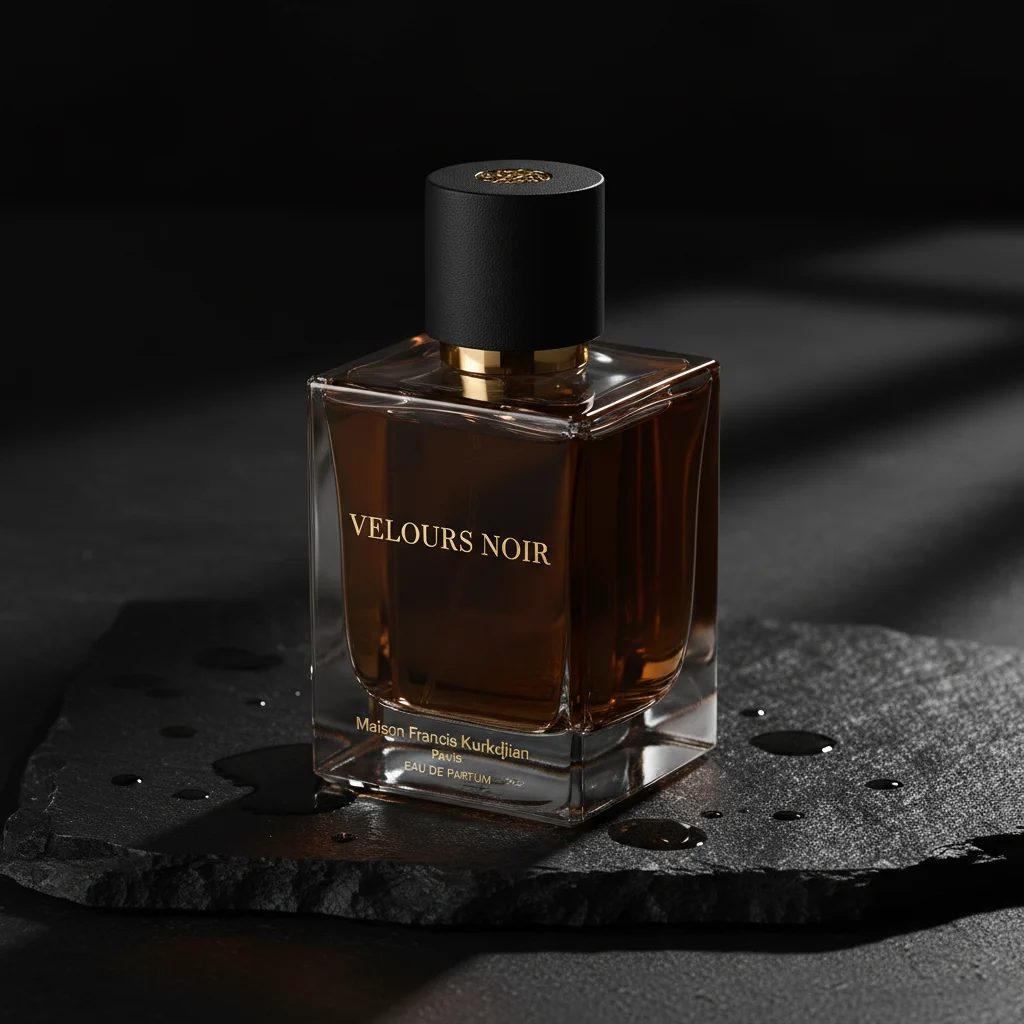
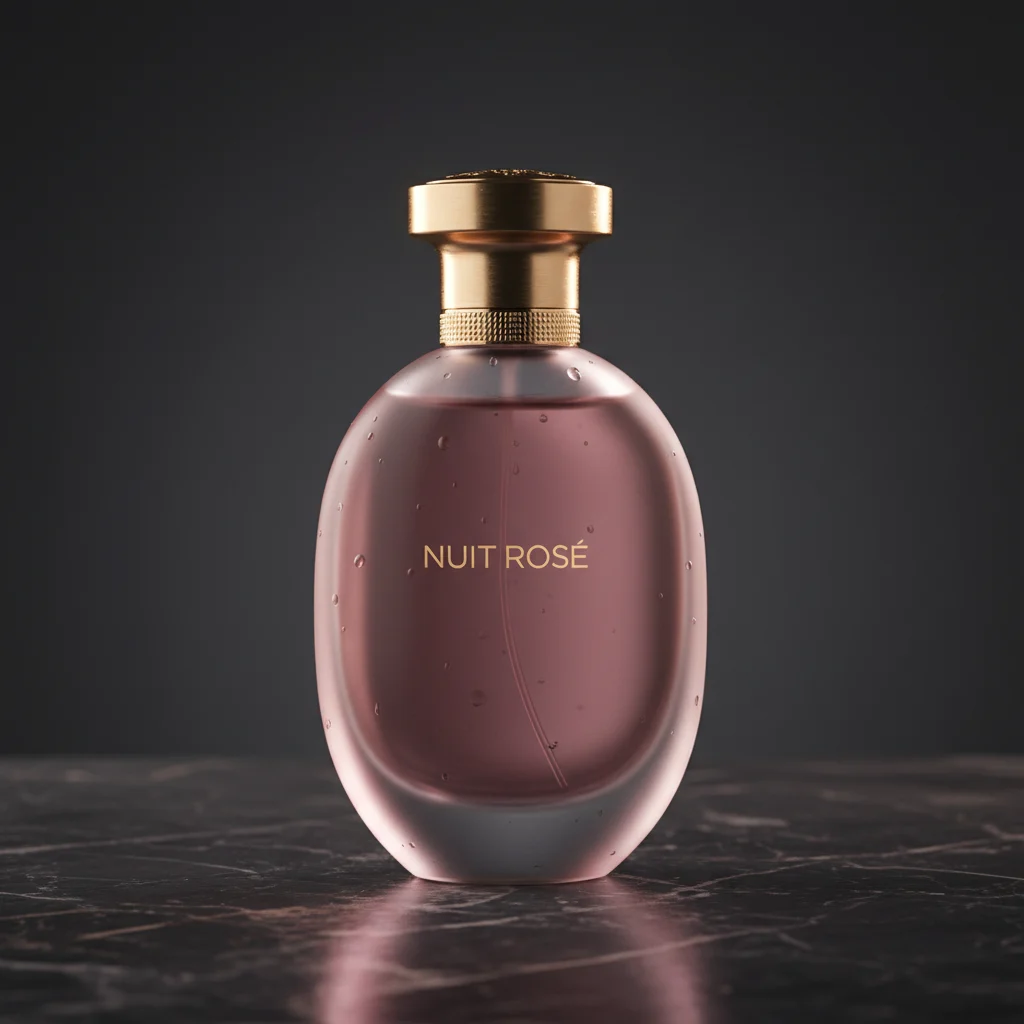
A signature scent — worn consistently, in the way Lumière is designed to be worn, or Nuit Rose for evening, or Velours Noir for the occasions that call for it — creates something that no other element of personal presentation can: an olfactory identity that precedes, accompanies and outlasts your physical presence.
This is the oldest use of perfume. The reason it was burned in sacred spaces before the world had words for sacred. The reason it accompanied pharaohs into burial. The reason it still, in an age of synthetic materials and mass distribution, retains its power over human memory in a way nothing else does.