The First Thing People Remember About You
Cognitive science consistently confirms that scent is the most powerful trigger of memory and emotional association. More powerful than visual memory. More immediate than sound.
This means the fragrance you wear is not just something people smell. It is something they remember. The neural pathway between scent and emotional memory is the most direct in the human brain — bypassing the rational cortex entirely. You are filing yourself in someone's memory before they consciously process anything about you.
The implications are significant. A fragrance worn consistently becomes part of how people recall you. Not just "they smelled good." More specifically: the emotion they felt when they encountered you.
What Luxury Fragrance Communicates Specifically
Mass-market fragrance, by definition, signals something accessible — a preference shared by many. Niche luxury fragrance signals something different: deliberate choice. Specific taste. The willingness to seek something beyond what is immediately available.
In social contexts, this distinction is read — often unconsciously — as a marker of a particular kind of intelligence. The person who wears a fragrance nobody recognizes from a department store counter is someone who went looking. Who found their way to something more particular.
This is not snobbery. It is the same dynamic as any other object of considered taste — the bookshelf that reveals genuine reading, the wine order that reflects actual knowledge. Fragrance functions as cultural shorthand, in the hands of those who choose deliberately.
The Psychology of Scent and Self
What is less discussed — but equally important — is what fragrance communicates to yourself.
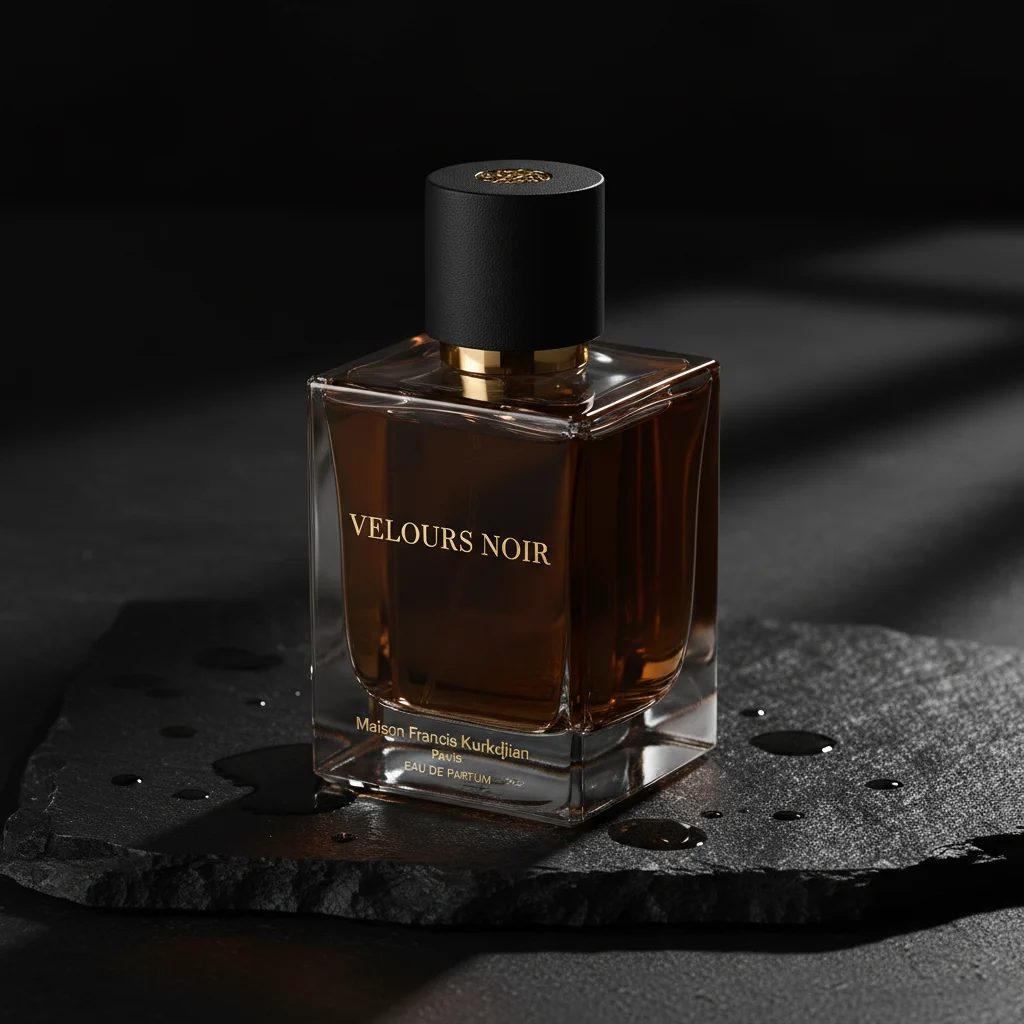
Research in enclothed cognition shows that what we wear affects how we feel and perform. A fragrance has an equivalent effect — it changes your internal state. The person who applies Velours Noir before a high-stakes meeting is not merely performing confidence. They are, in a measurable neurological sense, accessing a different version of themselves.
Fragrance — particularly one worn consistently — becomes associated in your own limbic system with the emotions and experiences you have while wearing it. A signature scent worn through formative experiences literally becomes, over time, a trigger for the states associated with those experiences.
This is the real luxury of a signature scent. Not status. Not projection. The private, internal anchor that tells you who you are.
Choosing to Communicate
The choice to wear luxury niche fragrance is, at its core, a choice to communicate with intention. To refuse the default. To say, through the most ancient human medium, that you are someone who pays attention to invisible things.
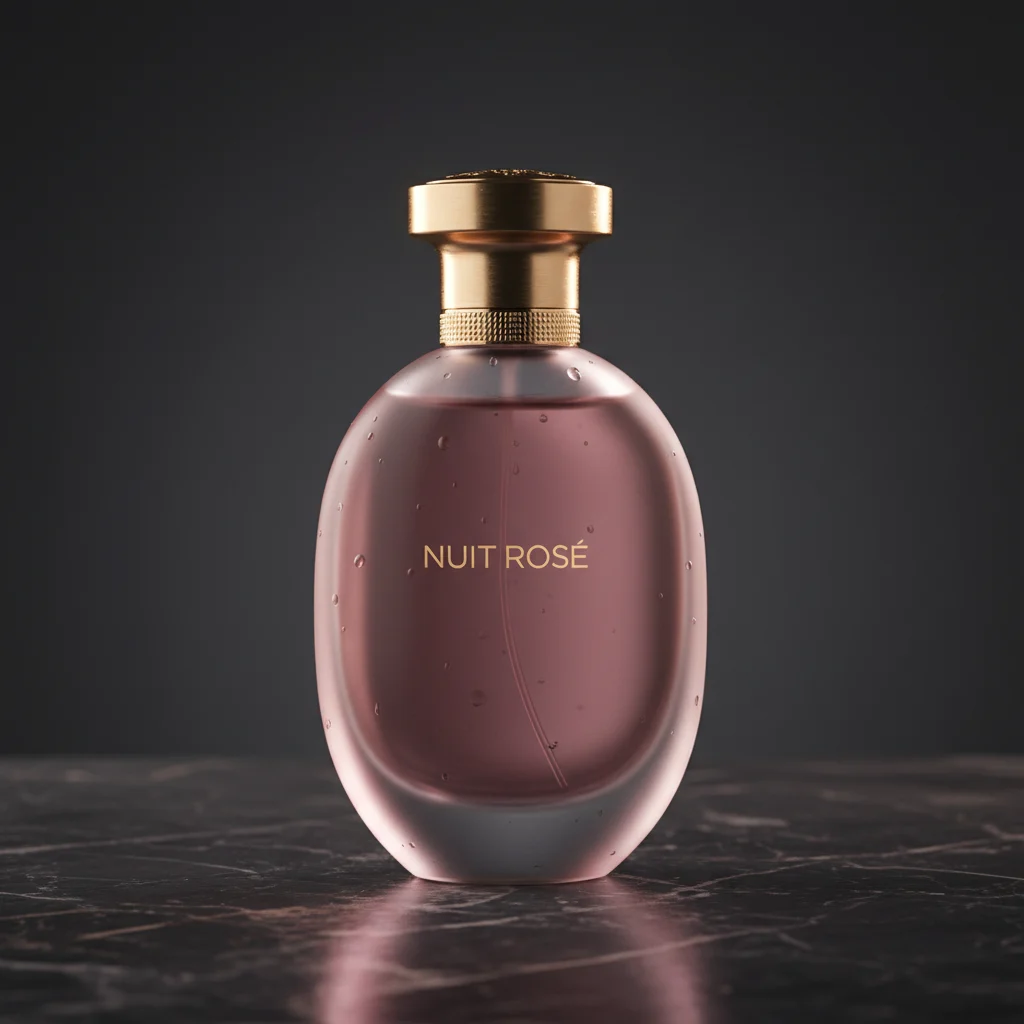
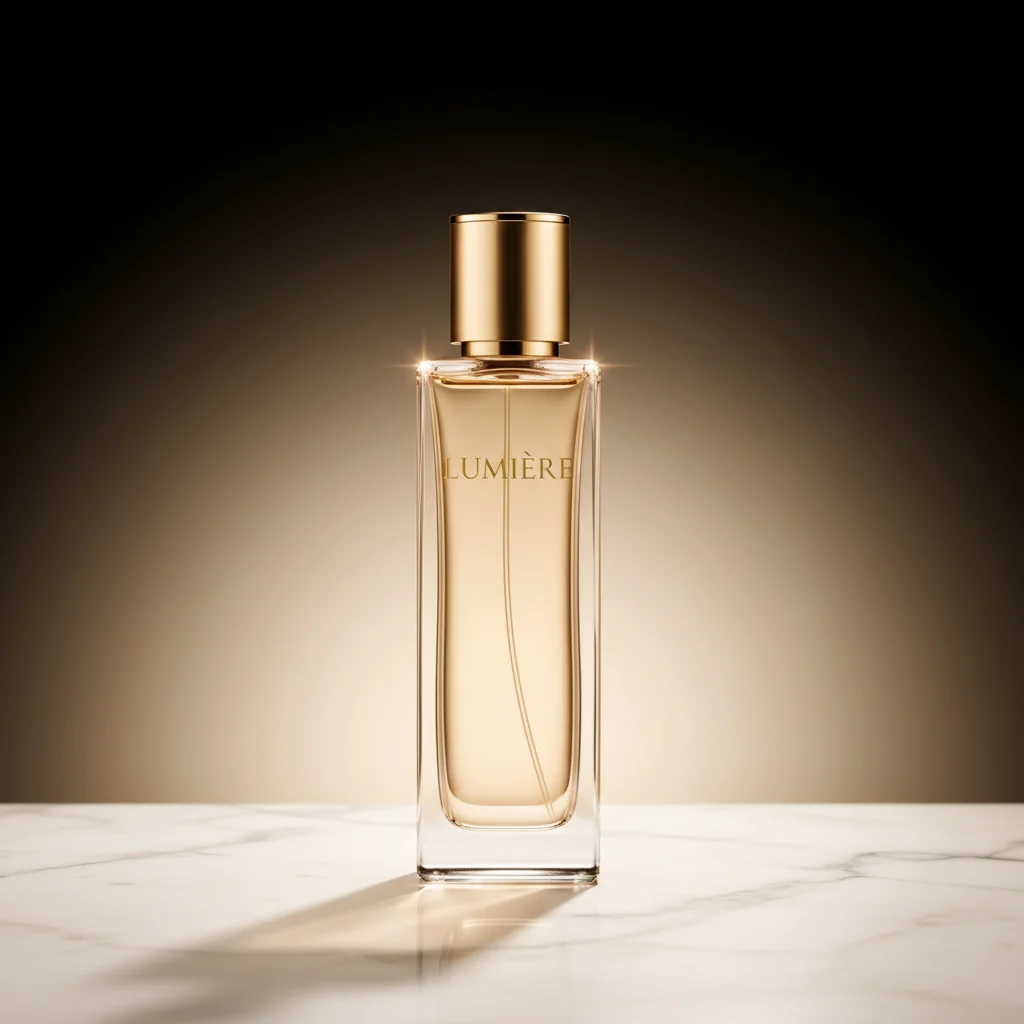
At RENAE, we make fragrances for people who understand this. Lumière for those who want their ease and warmth to precede them. Nuit Rose for those whose presence carries a question. Velours Noir for those for whom presence itself is the statement.
The question is not which fragrance smells best on paper. The question is: what do you want to say?