The Difference Between Sillage, Projection and Longevity
These three terms are often used interchangeably and incorrectly.
Longevity refers to how long a fragrance remains detectable on skin. A perfume can last twelve hours and still have poor sillage — if it hugs the skin throughout, projecting only when someone is very close.
Projection refers to how far from the skin a fragrance radiates. A fragrance with strong projection announces itself from across the room. High projection does not always mean high sillage.
Sillage specifically refers to the trail left in space after the wearer has passed. It is the experience of walking into a room and knowing, without seeing them, that someone wearing a particular scent was there recently. Great sillage lingers in the air, in fabrics, in the memory.
What Creates Sillage?
Sillage is created primarily by the base notes of a fragrance — the dense, slow-evaporating materials that persist longest on skin and release slowly into the surrounding air.
Musks are the traditional sillage materials in Western perfumery. Certain musk molecules — known as macrocyclic musks — are extraordinarily diffusive, creating a soft, persistent trail that can be detected from several metres away without being aggressive.
Ambroxan, derived from ambergris, is one of the modern fragrance industry's most valued sillage materials. It creates a warm, slightly woody, skin-like diffusion that makes fragrances feel intimately close to the wearer while somehow also filling the air around them.
Oud, unusually, creates sillage through different mechanics — its density and molecular complexity create a presence in the air that is atmospheric rather than specifically directional. This is why oud fragrances seem to "occupy" space in a way that lighter compositions do not.
Good Sillage vs Too Much Sillage
The fragrance community has a word for fragrances that project too aggressively: "beast mode." These are compositions — often designer sport fragrances loaded with synthetic musks — that project from three metres and leave a trail that people in an elevator remember for thirty minutes after you leave.
This is not good sillage. It is olfactory imposition.
The finest sillage is what the French call "discret mais présent" — discreet but present. A scent trail that invites curiosity rather than demanding attention. That makes people lean closer. That is found on a scarf two days after it was worn.
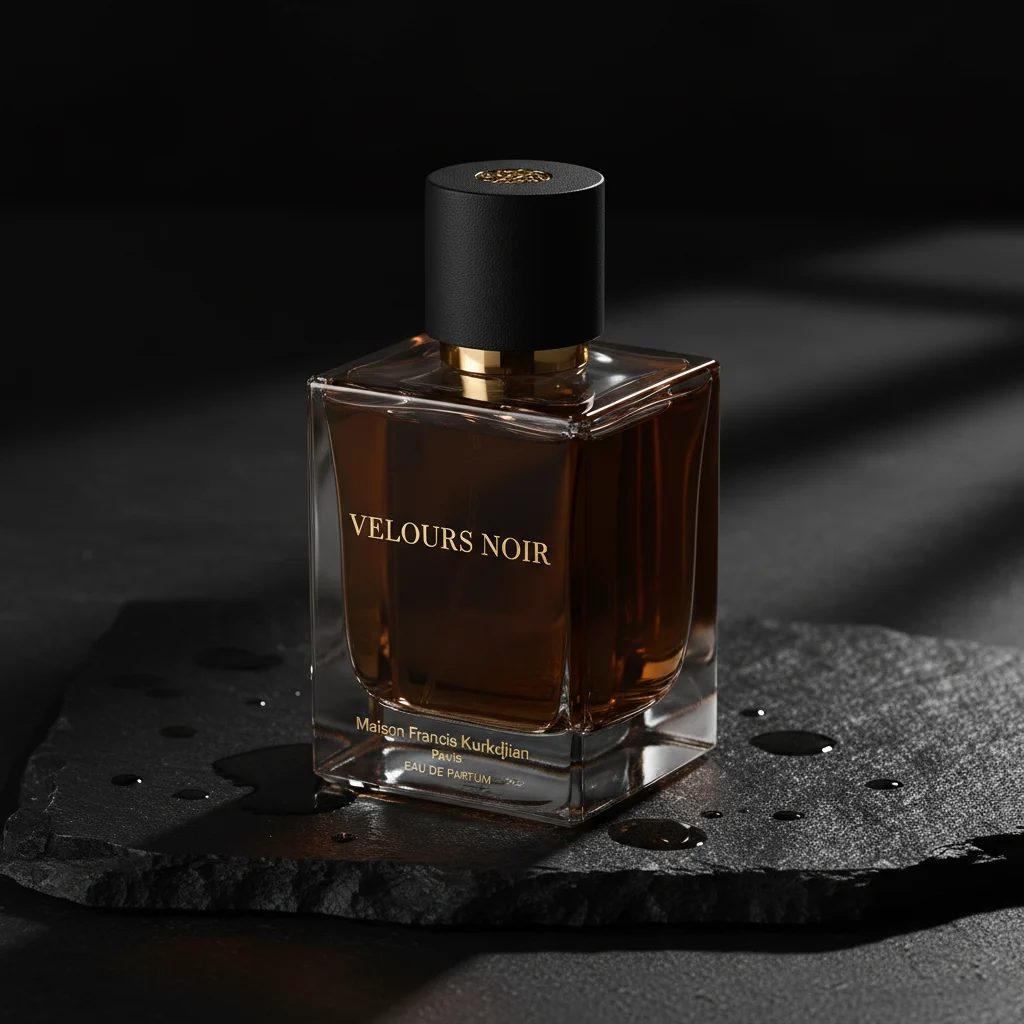
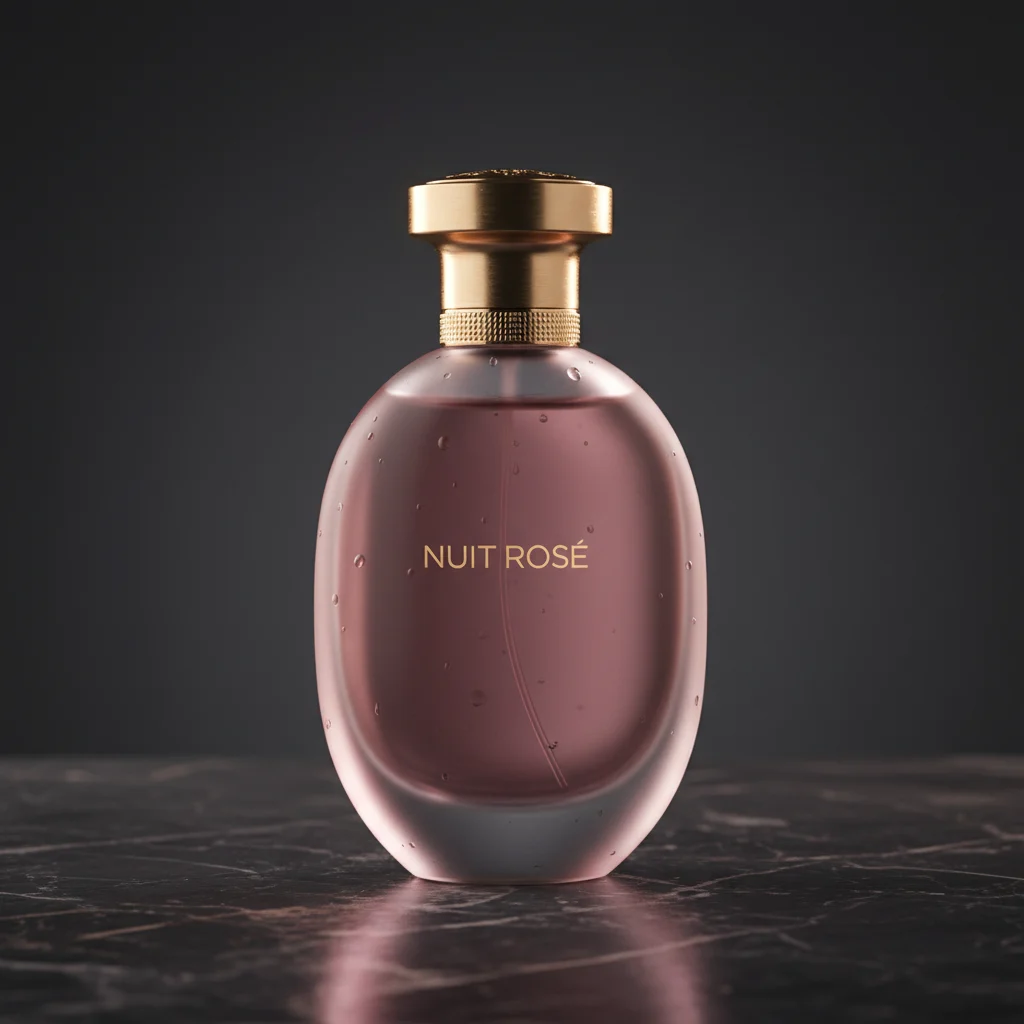
This is the quality RENAE compositions are calibrated for. Particularly Nuit Rose and Velours Noir, which were built around base materials chosen specifically for their trail rather than their opening impact.
Reading Sillage on Your Own Skin
One of the paradoxes of sillage is that the wearer is always the last to notice it. Your own olfactory system adapts to a fragrance within minutes of application — a process called olfactory fatigue — and you stop smelling what others can clearly detect.
This is why people who "don't smell anything" after an hour are often surrounded by others who smell them perfectly well.
The practical implication: apply less than you think you need, particularly with Extrait concentrations like Velours Noir. What seems like a subtle application to you will, to others encountering you throughout the day, be exactly present enough.