Why Perfume Longevity Varies So Much
A friend wears the same fragrance you do and it lasts all day. On you, it disappears in two hours. This is one of the most common frustrations in perfumery — and one of the most misunderstood.
Perfume longevity is not a fixed property of the bottle. It is the result of an interaction between the fragrance's chemistry, your skin's biology and the conditions you wear it in. Understanding these variables gives you far more control than simply buying a more expensive product.
Concentration: The Single Biggest Factor
The concentration of aromatic compounds in a fragrance — expressed as a percentage of the total formula — is the most reliable predictor of longevity:
Eau de Cologne (EDC): 2–4% aromatic concentrate. Lasts 1–2 hours. Designed for refreshing application, not all-day wear.
Eau de Toilette (EDT): 5–15%. The most common format for mainstream and designer fragrance. Lasts 3–5 hours under normal conditions.
Eau de Parfum (EDP): 15–20%. The sweet spot for luxury fragrance. Rich, warm, long-lasting — typically 6–10 hours with meaningful projection.
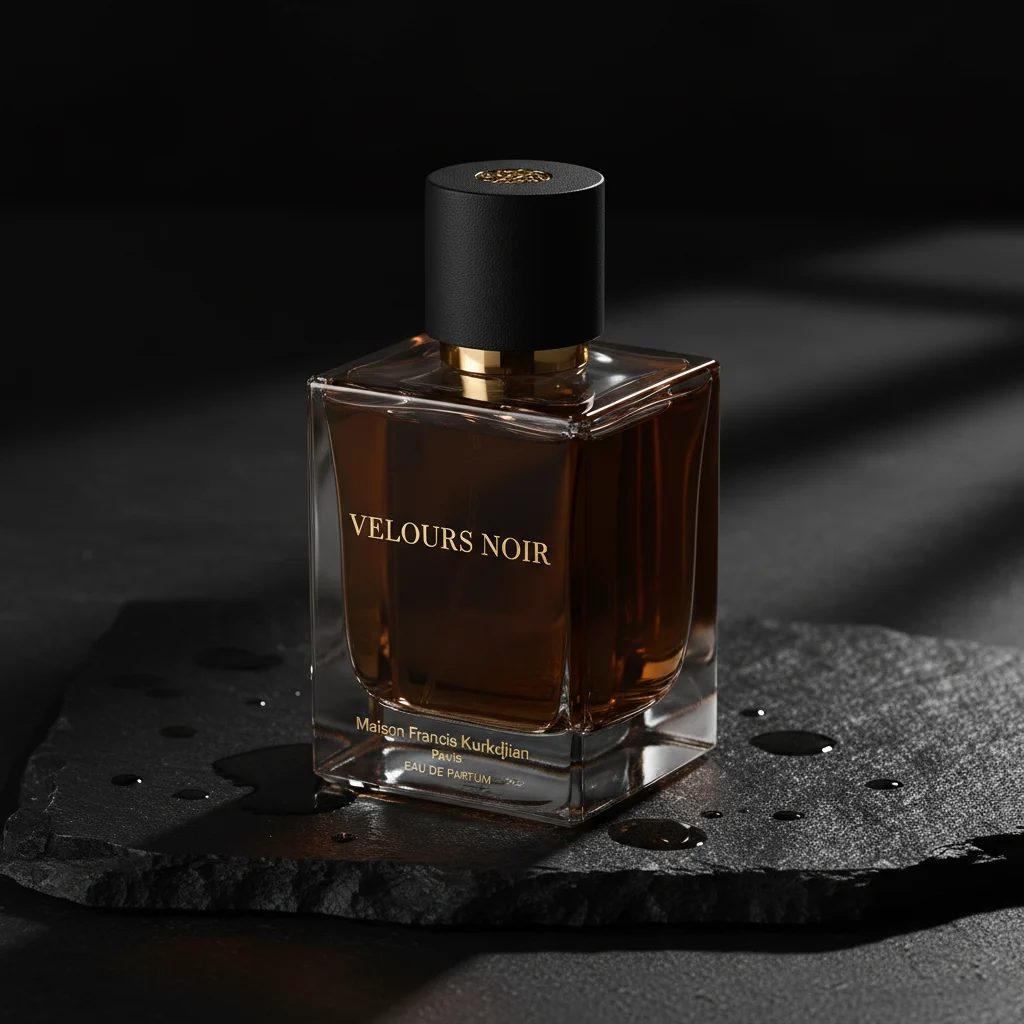
Extrait de Parfum / Parfum: 20–40%. The highest form. Dense, skin-close, extraordinary longevity — 12–20 hours. RENAE's Velours Noir is formulated as an Extrait precisely because the composition demands it.
Skin Chemistry: Why the Same Fragrance Smells Different on You
Your skin is not a neutral surface. Its pH, oil production, hydration level, diet and even hormonal state all interact with fragrance molecules, affecting how quickly they evaporate and how they smell in the process.
Dry skin tends to absorb fragrance faster and hold it less effectively than oily skin. This is why some perfumers recommend applying fragrance over an unscented moisturiser — the additional surface oils slow evaporation and extend longevity significantly.
Body temperature also plays a role. Warmer skin accelerates the evaporation of lighter, more volatile materials (top and heart notes) while warming and deepening base notes. This is why a fragrance can smell very different in summer versus winter.
Application Technique: What Most People Get Wrong
The pulse points — wrists, neck, inner elbows, behind the knees — are warm areas of the body where blood vessels sit close to the surface, generating heat that activates and projects fragrance.
The most common mistake is rubbing the wrists together after application. This action breaks apart the molecular bonds being formed between the fragrance and the skin, distorting the composition's natural development and reducing longevity.
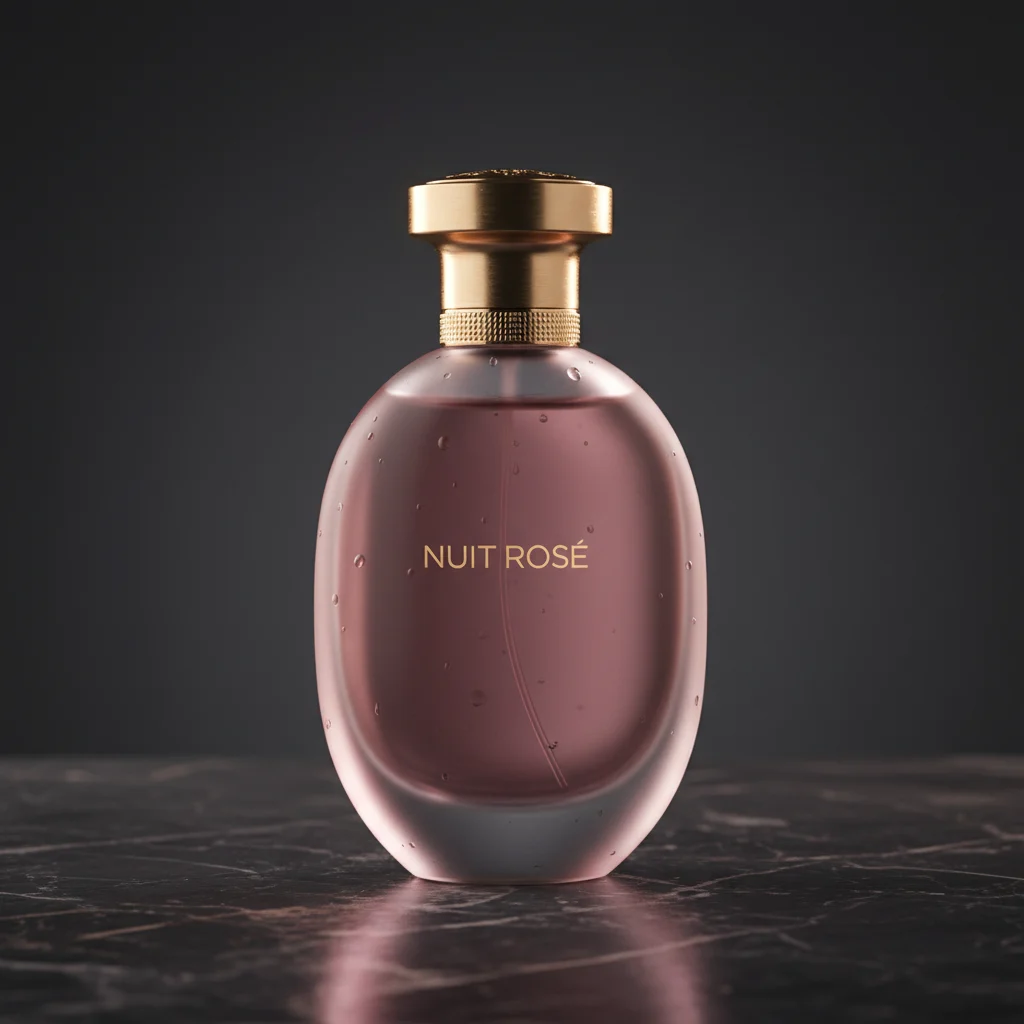
Apply, and let the fragrance settle without interference. Two to four sprays of an EDP, or one to two careful applications of an Extrait, is sufficient for all-day wear. With oud fragrances in particular — including Nuit Rose and Velours Noir — restraint is rewarding. Less becomes more over hours.
Storage: How You Keep It Affects How Long It Lasts
Fragrance molecules degrade under three conditions: heat, light and oxygen. Keeping a bottle on a sun-lit dressing table or in a warm bathroom is the fastest way to shorten both the longevity and quality of your perfume.
Ideal storage is cool, dark and consistent. A drawer, a wardrobe shelf or a dedicated fragrance cabinet away from heat sources will preserve a fragrance's quality for years. Opened bottles are best used within two to three years; sealed bottles can last a decade or more.
RENAE fragrances are formulated with stability in mind — our base materials are chosen in part for their longevity both on skin and in the bottle. But no fragrance benefits from neglect.