The Varieties of Rose in Perfumery
The rose used in perfumery is not the garden rose you buy from a florist. It comes from specific varieties, grown in specific conditions, processed with extraordinary care.
Rosa damascena — the Damask Rose — is the principal variety used in fine perfumery. Grown primarily in Bulgaria's Valley of Roses and in Isparta, Turkey, it is harvested by hand at dawn before the heat of the day evaporates the volatile aromatic compounds. A kilogram of rose absolute — the concentrated oil used in perfumery — requires between three and five tonnes of petals to produce.
Rosa centifolia — the cabbage rose — is grown primarily in Grasse in the south of France and used in some of the world's most prestigious compositions. It has a lighter, more honeyed quality than Damask, with a green freshness that Damask lacks.
Rosa gallica and Rosa bourboniana are less common in modern perfumery but prized by certain houses for their historical significance and unusual complexity.
Why Rose Smells Different in Different Fragrances
Rose absolute and rose otto (steam-distilled rose oil) are extraordinarily complex materials — they contain hundreds of identifiable aromatic compounds, each contributing differently to the overall character.
The dominant compounds — geraniol, citronellol, nerol — give rose its recognisable character. But it is the minor compounds — phenylethyl alcohol, damascenone, beta-ionone — that create depth and individuality.
How a rose smells in a fragrance depends on which aspect of its natural complexity the perfumer chooses to emphasise. Emphasise the citronellol fraction and the rose becomes clean, fresh, slightly metallic. Emphasise the damascenone and it becomes deep, fruity, almost jammy. Add incense and the rose becomes devotional, austere. Add oud and it becomes the most seductive material in perfumery.
The Oud-Rose Accord: Why It Works
The combination of rose and oud is the great accord of Middle Eastern perfumery, and increasingly of Western niche fragrance. It works because the two materials are, in a chemical sense, complementary — the sharp, sometimes medicinal character of oud is smoothed and sweetened by rose, while the potential sweetness of rose is deepened and made complex by oud.
But there is also a cultural and emotional dimension. Rose and oud together carry centuries of association — Sufi poetry, Mughal gardens, the hammams of Morocco and Turkey. They are materials that bring historical weight to a composition.
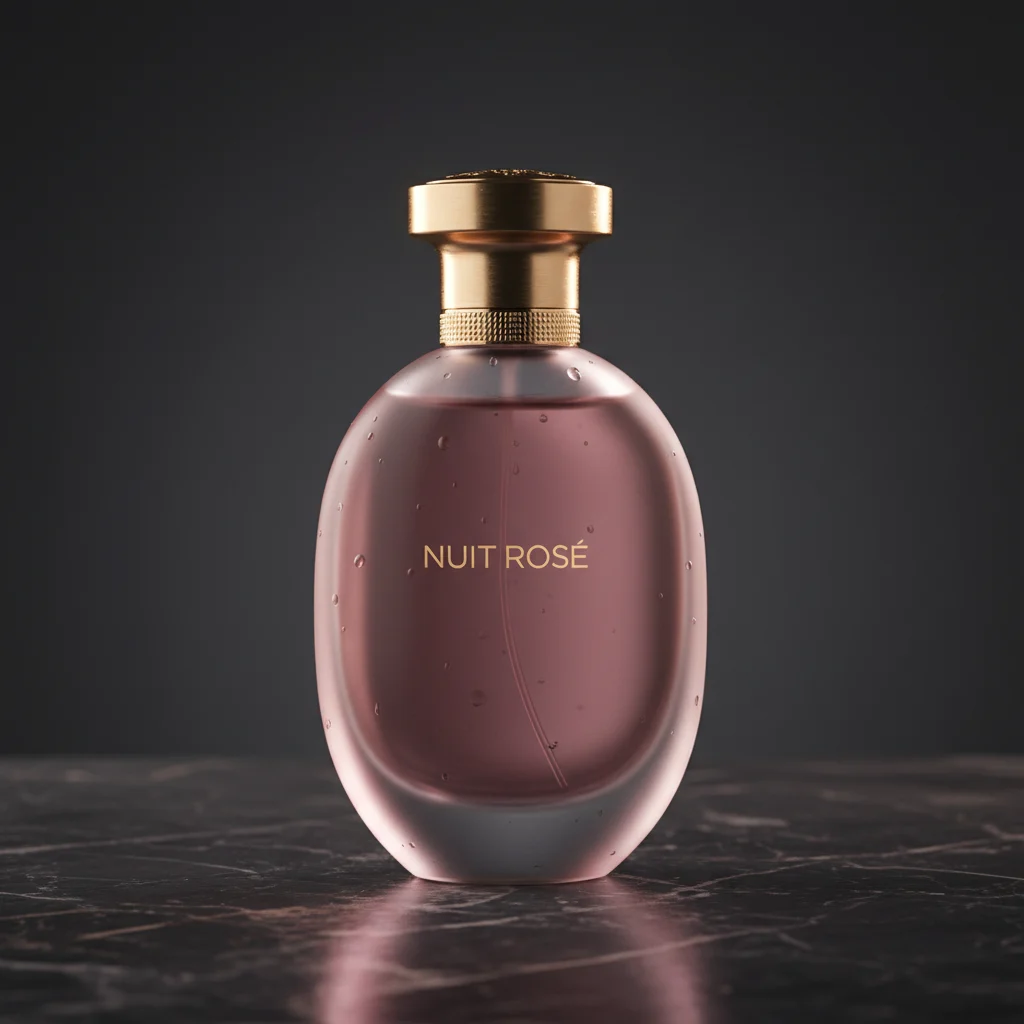
RENAE's Nuit Rose uses Damask Rose absolute from Bulgaria alongside an oud accord that references the Cambodian-style materials: slightly sweet, resinous, with a woody dryness that grounds the rose without overwhelming it.
The Modern Rose: Beyond Sweetness
Contemporary perfumery has explored rose in ways that move far beyond the traditional floral. Some houses have pushed rose towards its green, almost metallic qualities — creating compositions that smell more like rose stems than petals. Others have leaned into rose's inherent darkness, pairing it with leather, patchouli and smoke to create something almost confrontational.
The lesson for fragrance consumers: approach rose with no preconceptions. The rose in a mass-market cosmetics item has almost nothing in common with Damask Rose absolute. The rose in a carefully constructed niche composition is among the most complex, nuanced and beautiful materials available to a perfumer.
If you have dismissed rose, try Nuit Rose. It may revise your position entirely.